
Best Survivor Teams in MK Mobile
Health carries through the ladder, so winning one fight while exhausting the team can lose the run. Plan several eligible trios around the current bonuses, exhaustion and equipment availability. Unlike Krypt farming, the aim here includes using your collection across scoring runs; do not allocate every valuable item to one ladder without checking availability.
Core items are starting points, not a requirement to fill every slot with Tower Epics. Diamond builds allow four slots; these Gold builds fit three. Use current-tower damage and health gear in open slots, keeping weapon/armor/accessory restrictions and one copy per team.
Strike Force rescue rotation

Why it works
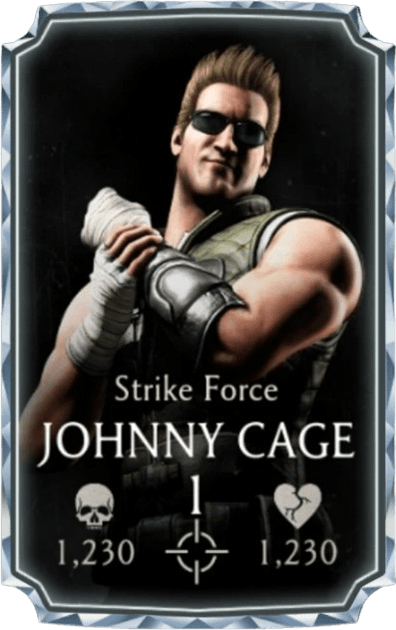
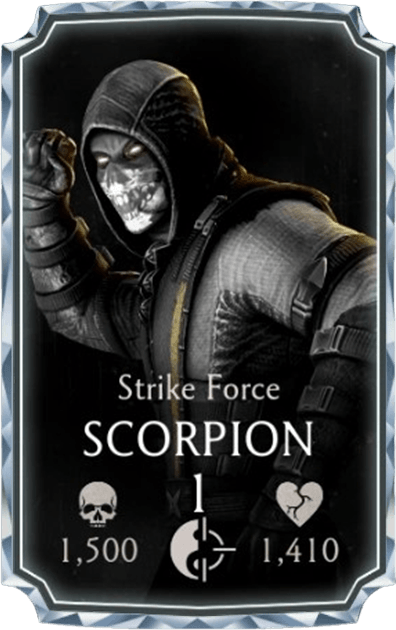
Johnny supplies the sustained offense while Cassie’s entry drains enemy power and slows the active target. Scorpion keeps mistakes recoverable through saves and his own recovery, with the complete Strike Force trio improving the rescue package. This is a practical long-run team because rotating has an offensive purpose as well as a defensive one. Preserve Scorpion instead of treating his passive as permission to lose health carelessly.
Recommended equipment
Core equipment; unlisted slots are open
Johnny Cage Strike Force
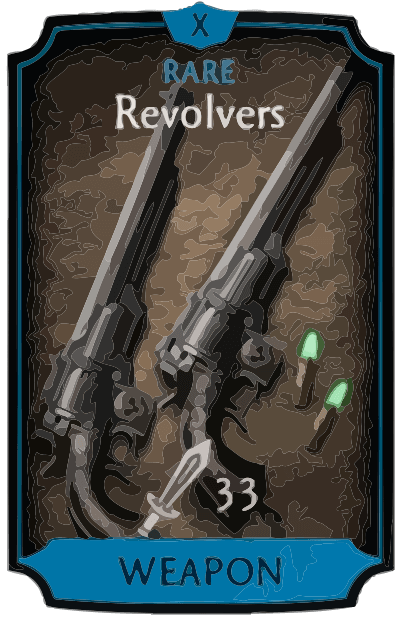 RevolversRare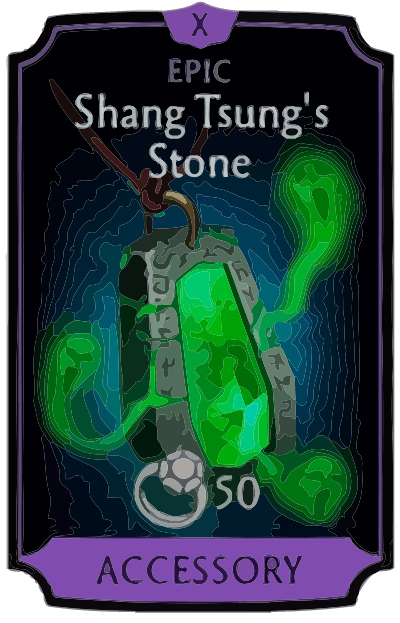
Scorpion Strike Force
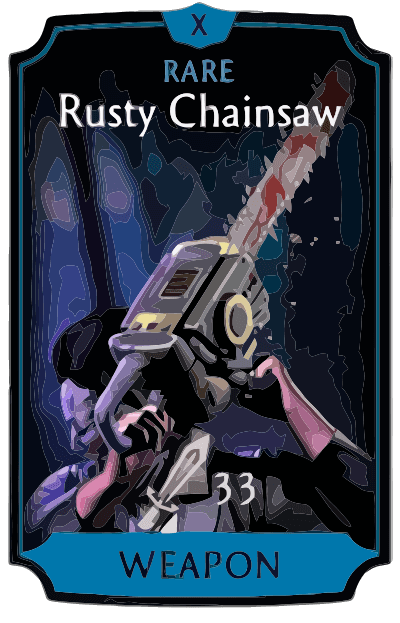 Rusty ChainsawRare
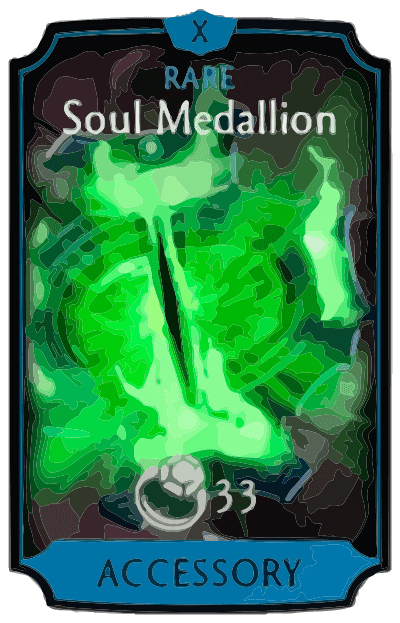 Soul MedallionRare
Cassie Cage Strike Force
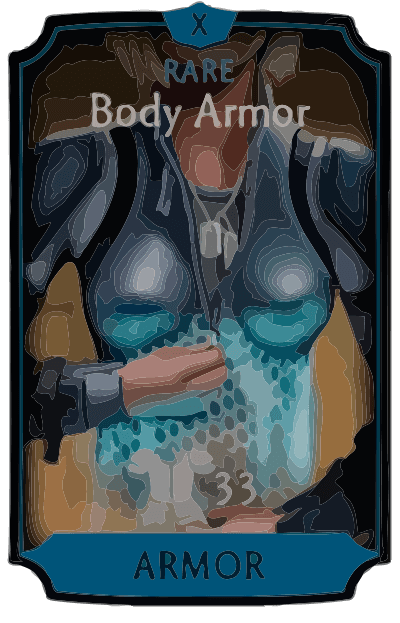 Body ArmorRare
How to play
- Attack with Johnny and deny dangerous specials.
- Bring Cassie in when enemy reserves have accumulated power.
- Recover with Scorpion’s SP2 before the last opponent falls.
- Avoid spending every save early in a Survivor ladder.
Strengths
- Power denial on rotation
- Extra rescue value from full faction
- Recovery between dangerous exchanges
Weaknesses
- Losing Scorpion removes the main safety net.
- Slower than a dedicated DOT clear.
Possible replacements
Replace Cassie Cage Strike Force with Liu Kang Klassic: Gain Cripple but lose the full-faction rescue benefit and Cassie’s team drain.
Day of the Dead endurance
Why it works
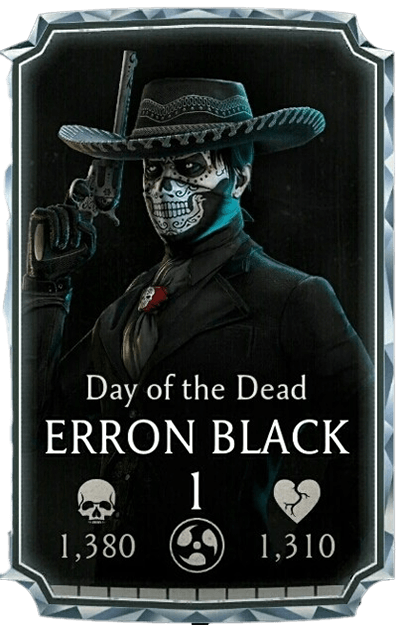
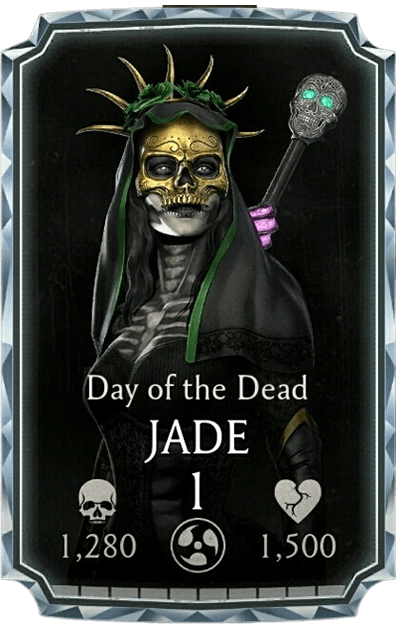
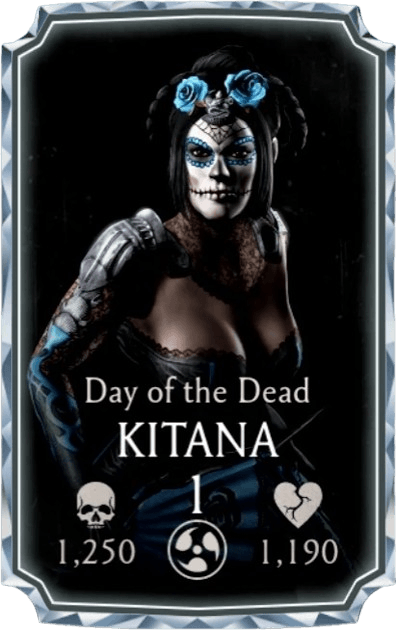
Erron is the main attacker, Jade provides a defensive response through Ghost Shield, and Kitana rewards enemy defeats with Outworld recovery. This is an endurance option for players who already own the faction, especially when its characters match a run’s bonuses. It earns a place for keeping a ladder healthy, not for winning a speed contest against the strongest current damage engines. Heal deliberately before ending a fight.
Recommended equipment
Core equipment; unlisted slots are open
Erron Black Day ot the Dead
RevolversRareJade Day of the Dead
Rusty ChainsawRareKitana Day ot the Dead
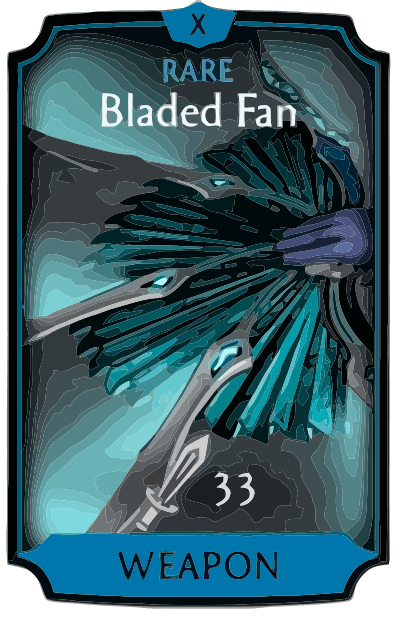 Bladed FanRare
How to play
- Keep Erron as the main source of connected specials.
- Use Jade’s Ghost Shield to answer threatening exchanges.
- Protect Kitana so later knockouts can sustain the run.
- Take a safe recovery window before the final knockout.
Strengths
- Outworld recovery after enemy defeats
- Ghost Shield defensive option
- Useful bonus-compatible endurance roster
Weaknesses
- Slower and disputed as an all-purpose top team.
- Incurability undermines its main advantage.
Possible replacements
Replace Kitana Day ot the Dead with Scorpion Strike Force: Trade Outworld healing for a rescue; prioritize this when burst deaths are the problem.
Onslaught endurance


Why it works
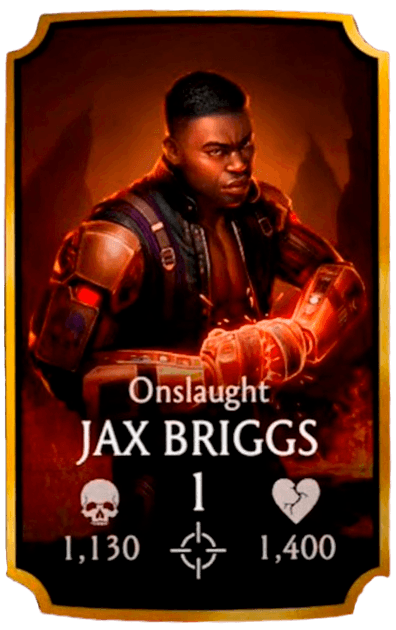
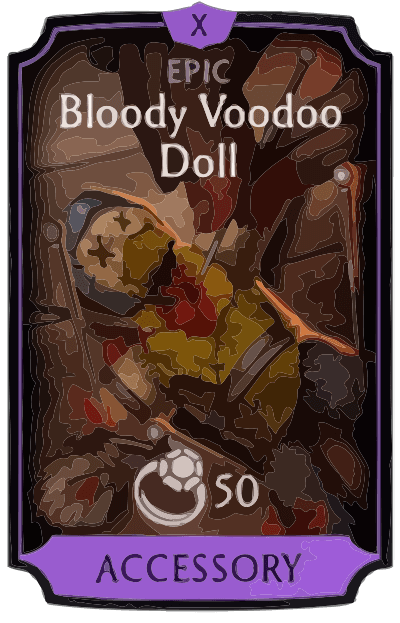
Sub-Zero provides a damage-focused front line with Cryoshell insurance. Jax turns accumulated Heat into a chosen teammate’s recovery, and Fujin reduces enemy attack through his controlled Tornado option. That makes the trio a Gold answer to repeated attrition rather than a pure speed team. Its value depends on using the extra abilities actively; leaving the team on autopilot can waste the healing and control that justify these three slots.
Recommended equipment
Core equipment; unlisted slots are open
How to play
- Use Sub-Zero for regular pressure but do not spend Cryoshell deliberately.
- Build Jax’s Heat and heal the member who needs it most.
- Choose Fujin’s Tornado when reducing attack matters more than a random bonus.
- Recover before ending a Krypt or Survivor fight.
Strengths
- Targeted teammate healing
- Cryoshell safety net
- Enemy attack reduction
Weaknesses
- Requires active meter management.
- Gold rarity does not make the trio easy to fuse.
Gold female recovery

Why it works
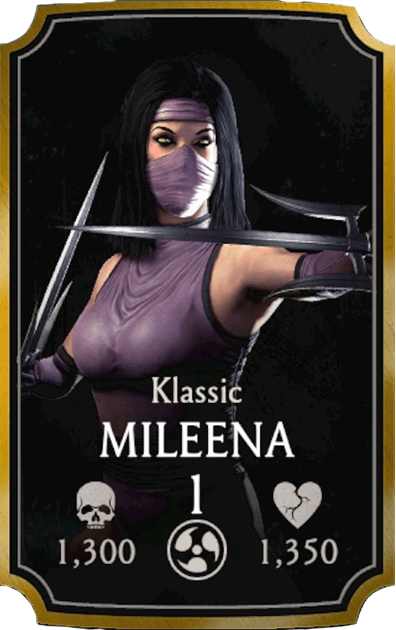
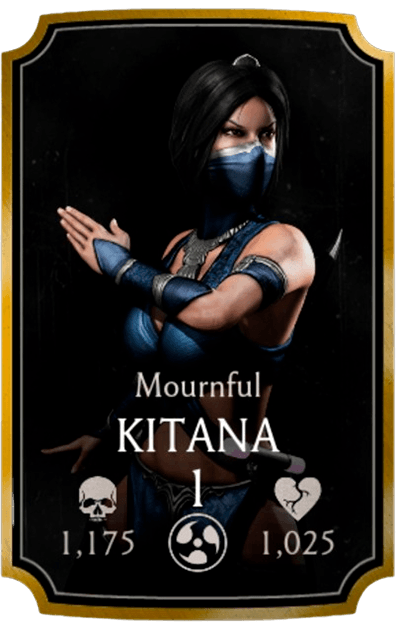
Jade drives the fight through her special-attack chain, Mileena rewards knockouts with healing for female teammates, and Mournful Kitana supplies starting power to the Outworld members. This is a useful Gold endurance shell when Jade is one of your stronger cards. It does not require inventing a new faction: the shared gender and class benefits already create a reason for these three to fight together and finish enemies methodically.
Recommended equipment
Core equipment; unlisted slots are open
How to play
- Spend Jade’s starting power on a connected special chain.
- Secure knockouts while Mileena’s recovery support is available.
- Use Kitana briefly rather than exposing a weak support to sustained damage.
- Do not expect healing before the first opponent is defeated.
Strengths
- Knockout recovery for female allies
- Starting Outworld power
- Gold special-chain carry
Weaknesses
- Healing depends on securing knockouts.
- Support cards are vulnerable at low fusion.
Possible replacements
Replace Kitana Mournful with Tanya Pyromancer: Exchange starting power for Fire support in DOT-friendly fights; the investment level rises.
Elder God power and recovery
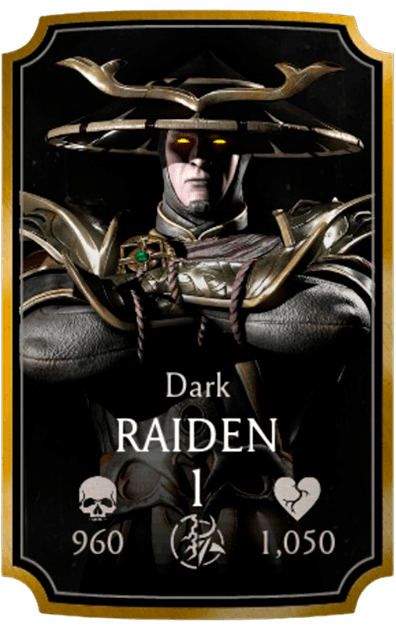
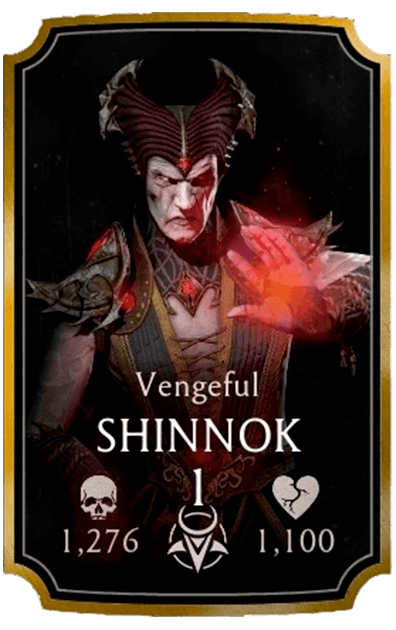
Why it works
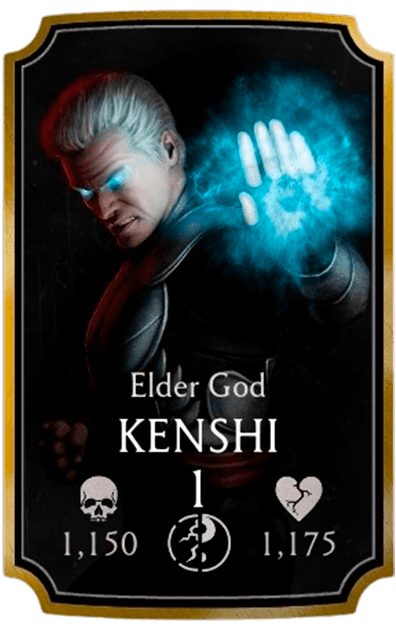
Elder God Kenshi rewards a successful special-attack knockout with power and health for Elder God allies, giving this trio its actual link. Dark Raiden is the situational pivot against effects that normally punish power or health, while Shinnok supplies a second Elder God attacker. Choose this as a bonus-compatible Gold ladder team when you can reliably secure Kenshi’s finishing blows; without those finishes the sustain loop is much weaker.
Recommended equipment
Core equipment; unlisted slots are open
How to play
- Prepare a low-health enemy for Kenshi’s special knockout.
- Let the resulting power feed the next controlled exchange.
- Use Dark Raiden against compatible DOT and power-drain pressure.
- Avoid finishing every enemy with Shinnok when Kenshi’s team recovery is needed.
Strengths
- Special-knockout team recovery
- Power feeds the next attack
- Dark Raiden counters selected negative effects
Weaknesses
- Requires carefully assigned knockouts.
- Not a reliable timed-boss damage engine.
Klassic Gold resistance
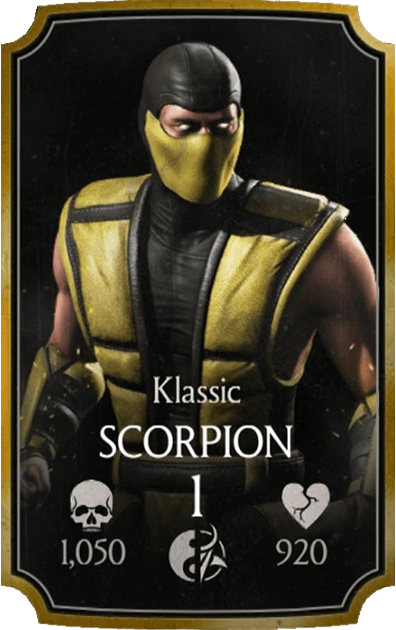
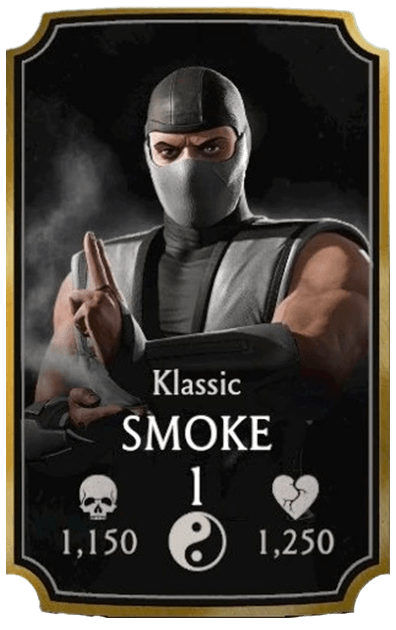

Why it works
Scorpion pulls the most wounded opponent back with a well-executed SP1, letting the team finish damage instead of chasing fresh targets. Smoke supports the whole Klassic trio with debuff resistance and reflection on a successful resist. Skarlet provides a slower fallback fighter who develops Anemia and can heal through SP2 against an anemic target. This combines target selection, resistance and recovery without requiring a Diamond.
Recommended equipment
Core equipment; unlisted slots are open

How to play
- Reach the SP1 performance threshold with Scorpion to pull the wounded target.
- Stack appropriate resistance gear with Smoke’s team support.
- Keep Skarlet on one target long enough to establish Anemia.
- Heal with Skarlet’s SP2 against that target when healing is not blocked.
Strengths
- Focuses wounded opponents
- Team debuff resistance
- Skarlet has a recovery route
Weaknesses
- Smoke alone does not guarantee immunity.
- Skarlet needs setup time and copies.
Possible replacements
Replace Skarlet Klassic with Shang Tsung Klassic: Switch from Anemia sustain to support for repeated Klassic SP1 usage.
Circle of Shadow opening and recovery
Why it works
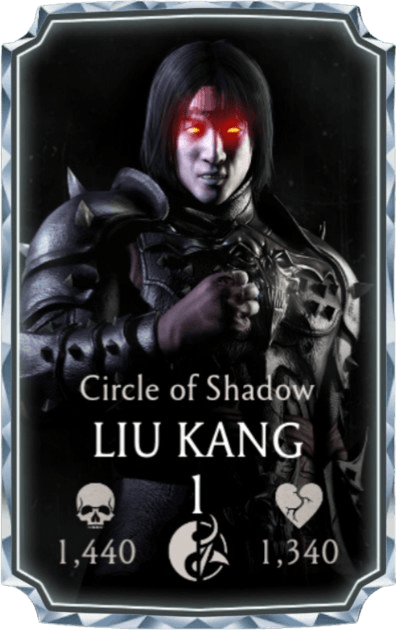
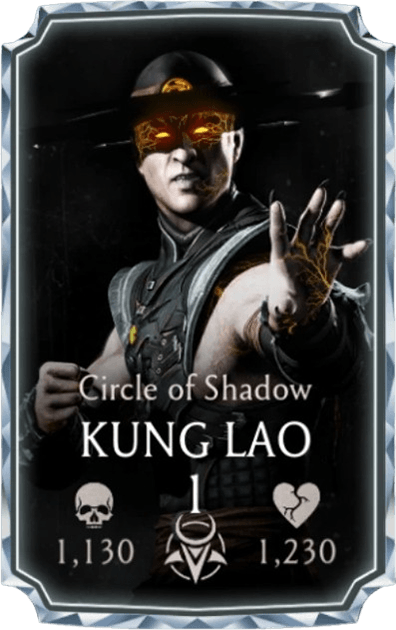
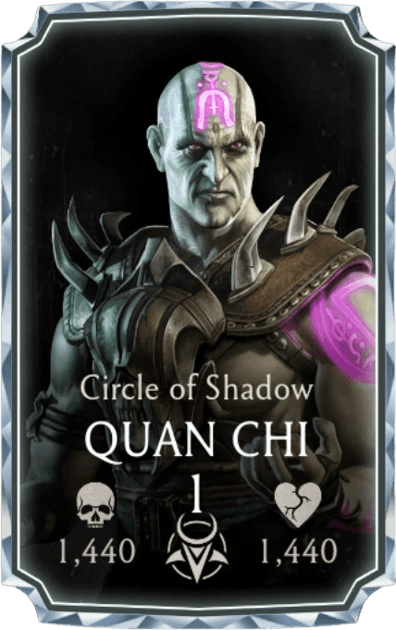
Starting Liu Kang converts his opening stun into an immediate offensive opportunity. Kung Lao supplies starting power to the Circle, while Quan Chi turns later tag windows into opportunities to heal through unblocked attacks. The trio therefore has a defined opening and a recovery loop rather than relying solely on the first stun. Against stun immunity, retain the power and healing plan but stop expecting a free opening combo.
Recommended equipment
Core equipment; unlisted slots are open
Liu Kang Circle of Shadow
RevolversRareKung Lao Circle of Shadow
Quan Chi Circle of Shadow
Rusty ChainsawRareHow to play
- Place Liu Kang first to use his opening passive.
- Spend the starting power before the enemy takes control.
- Tag to activate Quan Chi’s vampirism and land unblocked attacks.
- Preserve Quan Chi when a longer run still needs healing.
Strengths
- Immediate opening pressure
- Starting power for all three
- Vampirism during tag windows
Weaknesses
- Stun immunity weakens the opening.
- Healing requires connecting attacks.
Possible replacements
Replace Quan Chi Circle of Shadow with Nightwolf Circle of Shadow: A different support package for the Circle, at the cost of Quan Chi’s repeatable vampirism.
Outworld Poison and recovery
Why it works
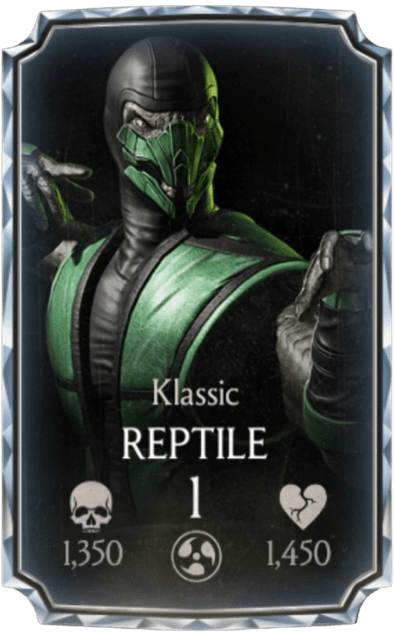
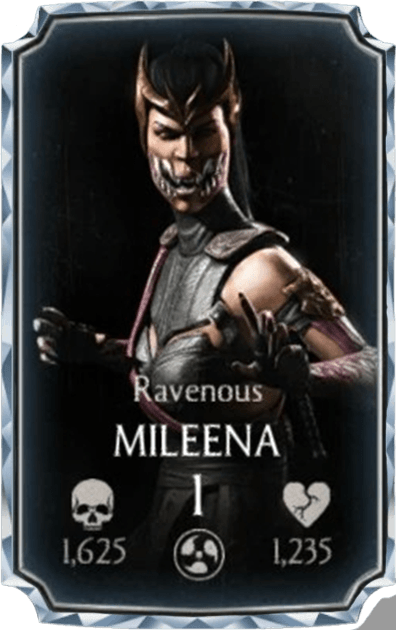
Reptile provides Poison pressure and a self-healing special, Mileena amplifies damage over time, and Kitana supplies recovery for the Outworld trio after enemy defeats. The result is an attrition team with an actual recovery plan, useful when Poison can suppress enemy healing. It is intentionally distinct from the Fire speed team: keeping health between encounters is part of the win condition, and Poison immunity can remove a large part of its value.
Recommended equipment
Core equipment; unlisted slots are open
Reptile Klassic
Rusty ChainsawRareSoul MedallionRareMileena Ravenous
RevolversRareKitana Day ot the Dead
Bladed FanRareHow to play
- Apply Poison before relying on damage over time.
- Fight with Reptile and use SP2 for recovery when allowed.
- Preserve Kitana for healing across subsequent knockouts.
- Check Poison immunity before entering a long fight.
Strengths
- Poison pressure
- Reptile self-recovery
- Outworld knockout healing
Weaknesses
- Poor default for DOT-immune bosses.
- Both healing and DOT can be countered.
Possible replacements
Replace Kitana Day ot the Dead with Jade Day of the Dead: Trade team recovery for Ghost Shield defense when preventing a burst matters more.
How we choose teams
MK Mobile Base team recommendations combine current game mechanics, community experience and our editorial assessment. Teams are evaluated for synergy, damage, survivability, utility and performance in their intended game modes.